Remedial Massage Therapy Bundoora
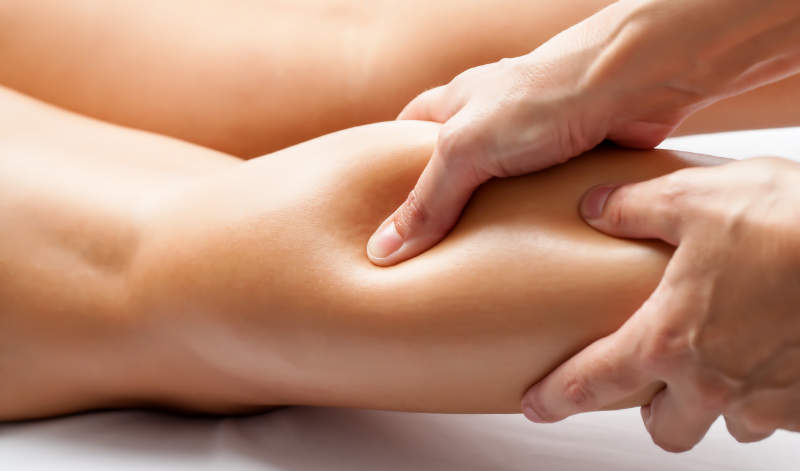
Massage therapy is designed to enhance and rehabilitate the musculoskeletal system, including soft tissue areas such as tendons, fascia, and ligaments.
Common bodily discomfort often originates from musculoskeletal issues, and our gentle, hands-on approach aims to enhance fluidity and mobility. We prioritise a compassionate and empathetic treatment approach, actively listening to our patients' concerns and collaborating to uncover the underlying causes of their discomfort. Once the root causes are identified, we employ massage therapy to improve the musculoskeletal system and enhance overall quality of life.
Our remedial massage therapy is well-suited for individuals experiencing bodily aches and pains, those in physically demanding professions, as well as athletes seeking to optimise their performance.

Myofascial Release Techniques
Reduce Muscle Tension, Restore Movement & Support Recovery
Myofascial Release is a remedial massage technique used to reduce muscle tightness, relieve pain, and improve mobility. By applying sustained pressure to areas of restriction within the muscles and surrounding fascia, this treatment helps restore normal movement, improve circulation, and support the body's natural recovery process.
Whether you're dealing with ongoing pain, a sports injury, or stiffness from everyday activities, Myofascial Release can be an effective part of your personalised treatment plan.
Read More
What can Myofascial Release help with?
- Chronic muscle tightness and stiffness
- Neck, shoulder and back pain
- Sports and gym-related injuries
- Reduced flexibility and restricted movement
- Poor posture and desk-related tension
- Recovery from overuse or repetitive strain
Benefits
- Reduces muscle tension and discomfort
- Improves range of motion and flexibility
- Supports injury recovery
- Enhances blood flow and tissue health
- Helps restore normal movement and function
What to expect
Your remedial massage therapist will assess your movement and areas of restriction before applying slow, targeted pressure to release tight fascia and surrounding muscles. Treatment is tailored to your individual needs and may be combined with other remedial massage techniques to achieve the best outcome.

Sports Massage
Improve Recovery, Reduce Tension & Support Better Movement
Sports massage is a specialised form of massage that focuses on the muscles, tendons, and soft tissues used during physical activity. Despite the name, you don't have to be an athlete to benefit from sports massage. Whether you play sport, go to the gym, have a physical job, or simply experience muscle tightness, sports massage can help keep your body moving at its best.
Read More
What are the benefits?
Sports massage may help to:
- Reduce muscle tension and tightness
- Improve flexibility and range of motion
- Ease muscle aches and soreness
- Promote healthy blood circulation
- Support faster recovery after exercise
- Improve movement and performance
- Help reduce the risk of muscle strains and injuries
- Leave you feeling looser, lighter, and more relaxed
What happens during a sports massage?
Your treatment is tailored to your individual needs and may include:
- A brief assessment to discuss any pain, injuries, or problem areas.
- Hands-on massage techniques using light to firm pressure, depending on your goals and comfort.
- Targeted treatment for tight muscles, knots, and areas of tension.
- Stretching and mobility techniques to improve movement where needed.
- Recovery advice including stretches or simple exercises to help maintain the benefits between treatments.
Will sports massage be uncomfortable?
Sports massage can sometimes feel slightly uncomfortable, especially when treating tight muscles or stubborn knots. This is completely normal, but it should never be unbearable. Your therapist will always adjust the pressure to ensure you're comfortable throughout your treatment.
How does sports massage work?
Think of your muscles like the moving parts of a car. With regular maintenance, everything runs smoothly. When muscles become tight, overworked, or neglected, they can become stiff, sore, and more prone to injury.
Sports massage works by using a variety of massage techniques to:
- Increase healthy blood flow to the muscles.
- Deliver oxygen and nutrients needed for muscle repair.
- Reduce muscle tightness and stiffness.
- Improve flexibility and joint movement.
- Support your body's natural recovery process after exercise.
You may have heard that massage "flushes toxins" out of the body. While this is a common myth, your liver and kidneys are actually responsible for removing waste products. Sports massage supports recovery by improving circulation, reducing muscle tension, and helping your body recover more comfortably after physical activity.
Who can benefit?
Sports massage isn't just for professional athletes. It can be beneficial for:
- Runners and cyclists
- Gym-goers and fitness enthusiasts
- Team sport players
- People returning to exercise
- Tradespeople and those with physically demanding jobs
- Office workers with tight necks, shoulders, or backs
- Anyone wanting to move more freely and reduce muscle tension
Whether you're training for an event, recovering after exercise, or simply feeling tight and sore, sports massage can help you move better, recover well, and keep doing the activities you enjoy.

Pregnancy Massage
Relax, Relieve Tension & Support Your Changing Body
The body goes through many changes during pregnancy, which is why we provide a specialised treatment approach designed to support your comfort, relaxation, and wellbeing throughout each stage of pregnancy. Pregnancy massage uses gentle, tailored techniques to help relieve common areas of tension while allowing you to enjoy a safe and nurturing treatment experience.
Read More
We recommend continuing massage treatment throughout pregnancy where appropriate, as regular pregnancy massage may help support your body as it adapts to the physical changes of carrying your baby. Our therapists provide flexible treatment options and positioning adjustments to ensure maximum comfort for both you and your little one.
Each treatment is personalised to your individual needs, taking into consideration your stage of pregnancy, areas of discomfort, and your overall wellbeing.
What can Pregnancy Massage help with?
- Lower back pain and pelvic discomfort
- Neck, shoulder and upper back tension
- Muscle tightness caused by postural changes
- Leg cramps and general muscle soreness
- Swelling and fluid retention associated with pregnancy
- Improving relaxation and reducing stress
- Supporting better sleep and overall comfort
- Preparing the body for the physical demands of birth
Benefits
- Relieves muscle tension and pregnancy-related discomfort
- Promotes relaxation and reduces stress
- Supports circulation and healthy movement
- Helps maintain mobility as the body changes
- Encourages better posture and body awareness
- Supports overall wellbeing during pregnancy
What to Expect
Your appointment begins with a discussion about your stage of pregnancy, areas of discomfort, medical history, and treatment goals. Your therapist will assess your needs and adjust the treatment approach to ensure you feel comfortable and supported throughout your session.
Pregnancy massage techniques are adapted to suit your body as it changes. Your therapist may use side-lying positioning, supportive cushions, and gentle massage techniques to help relieve tension while maintaining comfort and safety.
Pressure and techniques are always adjusted to your preference, ensuring a relaxing and personalised experience. If you have any concerns or pregnancy-related conditions, we recommend discussing these with your healthcare provider before treatment.

Dry Needling
Reduce Muscle Tension, Relieve Pain & Improve Movement
Dry needling is a treatment used by trained therapists to help reduce muscle pain, relieve tight muscles, and improve movement. It involves placing very thin, sterile needles into tight or painful areas of a muscle, often called muscle knots or trigger points.
Despite using needles, dry needling is not the same as acupuncture. Acupuncture is based on traditional Chinese medicine, while dry needling is based on modern anatomy and focuses on treating muscles and soft tissues.
Read More
What are the benefits?
Dry needling may help to:
- Reduce muscle pain and tension
- Release tight muscle knots (trigger points)
- Improve flexibility and movement
- Reduce muscle spasms
- Support recovery after injury
- Improve blood flow to the treated area
- Help muscles function more normally
What does it involve?
During your treatment:
- Your therapist will assess the area causing your pain or tightness.
- Very fine, sterile needles are gently inserted into specific muscles.
- You may feel a brief muscle twitch or cramp-like sensation — this is normal and often means the tight muscle has responded.
- The needles may be removed straight away or left in place for several minutes, depending on your treatment.
- A session usually takes 15–30 minutes, although this can vary.
Most people are surprised by how fine the needles are. The treatment is often less painful than expected.
How might I feel afterwards?
It is completely normal to experience:
- Muscle soreness similar to what you might feel after a workout
- Mild tenderness around the treated area
- A feeling of looseness or improved movement
- Feeling relaxed or slightly tired
- Occasionally, a small bruise where the needle was inserted
These sensations usually settle within 24–48 hours.
After your treatment
To help your body recover:
- Drink plenty of water.
- Keep moving with gentle walking or light stretching.
- Avoid strenuous exercise for the rest of the day unless your therapist advises otherwise.
- Use ice or heat if recommended by your therapist.
- Get a good night's sleep to support recovery.
How does dry needling work?
Imagine a muscle that has become tight like a knot in a rope. That knot makes it harder for the muscle to stretch, move, and work properly. It can also cause pain in the area or even pain somewhere else in the body.
Dry needling helps encourage the muscle to relax. When the needle reaches a tight spot, the muscle may briefly twitch. This is a natural response and often indicates the muscle is beginning to release.
The tiny needle also creates a small, controlled response in the muscle. Your body reacts by increasing blood flow to the area, bringing oxygen and nutrients that support the body's natural healing process. At the same time, the nervous system can become less sensitive, helping to reduce pain and improve movement.
While many people notice improvement after one treatment, some conditions require several sessions, especially if the problem has been present for a long time.
Is dry needling safe?
When performed by a qualified and trained therapist using sterile, single-use needles, dry needling is considered a safe treatment. Your therapist will explain the procedure, answer any questions, and ensure the treatment is appropriate for you before beginning.
Like any treatment, there are some small risks, including temporary soreness, minor bruising, or slight bleeding at the needle site. Serious complications are very rare when the treatment is performed correctly.

Trigger Point Therapy
Relieve Muscle Knots, Reduce Pain & Restore Movement
Trigger Point Therapy is a remedial massage technique that focuses on releasing tight, sensitive areas within muscles, commonly known as "muscle knots" or trigger points. These areas can develop due to injury, poor posture, repetitive movements, stress, or overuse, and often cause pain that is felt both at the source and in other parts of the body.
Read More
By applying targeted pressure to these trigger points, your remedial massage therapist can help reduce muscle tension, relieve referred pain, improve movement, and restore normal muscle function.
Whether you're experiencing ongoing muscular pain, headaches, sports injuries, or work-related tension, Trigger Point Therapy can form an effective part of your personalised treatment plan.
What can Trigger Point Therapy help with?
- Neck, shoulder and back pain
- Muscle knots and persistent muscle tightness
- Tension headaches and jaw tension
- Sports and gym-related injuries
- Repetitive strain and overuse injuries
- Reduced flexibility and restricted movement
- Poor posture and desk-related tension
- Hip, glute and leg muscle pain
Benefits
- Releases tight muscle knots and trigger points
- Reduces local and referred pain
- Improves muscle flexibility and mobility
- Restores normal muscle function
- Supports injury recovery and rehabilitation
- Improves circulation to affected tissues
- Helps prevent recurring muscle tension
What to Expect
Your appointment begins with a discussion about your symptoms, medical history, lifestyle, and treatment goals. Your remedial massage therapist will assess your posture, movement, and identify areas of muscle tension and active trigger points contributing to your pain.
Treatment involves applying firm, sustained pressure to specific trigger points within the affected muscles. You may experience temporary tenderness or a sensation of pain that refers to another area of the body — this is a normal response and often indicates the trigger point has been identified. Pressure is always adjusted to your comfort level throughout the treatment.
Depending on your condition, Trigger Point Therapy may be combined with other remedial massage techniques, stretching, or rehabilitation exercises to help reduce pain, improve movement, and support long-term recovery.
Some people experience immediate relief, while more persistent conditions may benefit from a series of treatments.
Cupping
Reduce Muscle Tension, Improve Recovery & Support Movement
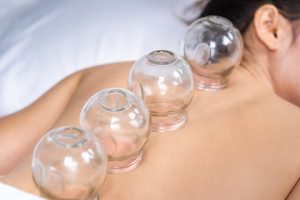
Cupping Therapy is a remedial massage technique that uses specially designed cups to create gentle suction on the skin and underlying tissues. This negative pressure helps lift and decompress the soft tissues, encouraging blood flow, reducing muscle tension, and improving tissue mobility.
Read More
Cupping can be used as a standalone treatment or combined with other remedial massage techniques to help relieve pain, improve movement, and support recovery from injury or muscular overload.
Whether you're managing muscle tightness, recovering from sport, or experiencing ongoing aches and pains, Cupping Therapy can be incorporated into your personalised treatment plan.
What can Cupping Therapy help with?
- Muscle tightness and stiffness
- Neck, shoulder and back pain
- Sports and gym-related injuries
- Repetitive strain and overuse injuries
- Reduced mobility and flexibility
- Postural tension from work or daily activities
- Recovery from muscular fatigue
- General muscle soreness and discomfort
Benefits
- Reduces muscle tension and tightness
- Encourages healthy blood circulation
- Improves tissue mobility and flexibility
- Supports recovery following exercise or injury
- Helps relieve muscular pain and stiffness
- Complements other remedial massage treatments
- Promotes relaxation and overall wellbeing
What to Expect
Your appointment begins with a discussion about your symptoms, medical history, and treatment goals. Your remedial massage therapist will assess your movement and determine whether Cupping Therapy is appropriate for your condition.
Specially designed cups are placed on targeted areas of the body to create gentle suction. Depending on your treatment, the cups may remain in place (static cupping) or be moved across the skin (dynamic cupping) to release muscle tension and improve tissue mobility.
The treatment is generally comfortable, with most people describing the sensation as a firm pulling or lifting feeling rather than pain.
It is common for temporary circular marks to appear after treatment. These are caused by the suction effect and typically fade over several days.
Depending on your condition, Cupping Therapy may be combined with remedial massage, myofascial release, or other techniques to help achieve the best possible outcome.
Remedial Massage Price List
Initial Remedial Massage – $111
90 Minute Remedial Massage – $152
60 Minute Remedial Massage – $105
45 Minute Remedial Massage – $91
30 Minute Remedial Massage – $71
Senior Therapist (60 Minute Remedial Massage) – $120
With over 10 years of experience as a Remedial Massage Therapist and a key member at Uprise Health, Read More
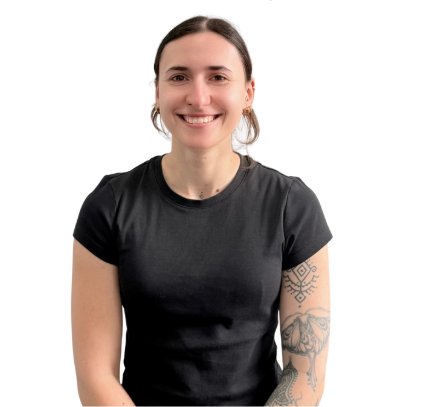
Sarah is a Remedial Massage Therapist with a strong passion for health, fitness, and overall Read More

Beau is a dedicated Remedial Massage Therapist based in Bundoora, committed to supporting his Read More