
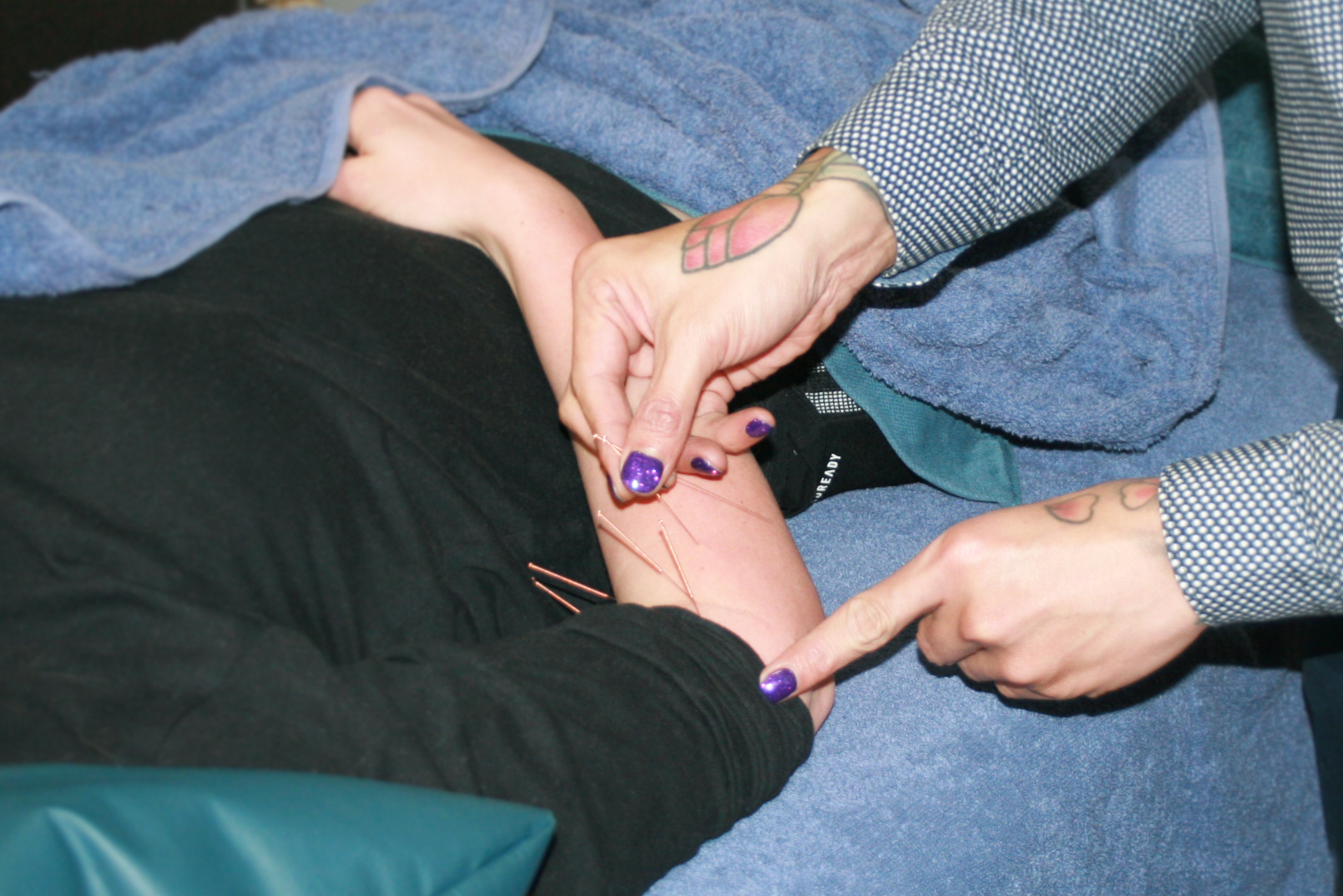
Chinese medicine is one of the oldest continuously practised medical systems in the world — and one of the most misunderstood. Patients often come to us for one specific issue (a bad back, migraines) and are surprised to learn their practitioner is asking about their sleep, digestion and stress levels. That whole-person view is exactly the point.
How it works
Acupuncture uses very fine, single-use needles at specific points to influence the nervous system, circulation and the body's own pain-relieving and regulatory mechanisms. Chinese herbal medicine complements this with individually prescribed formulas, usually taken as teas, powders or capsules between sessions.
From a modern perspective, research suggests acupuncture influences pain signalling, muscle tension and inflammation — which is why it's now widely used alongside conventional care for musculoskeletal pain, headaches and more.
What people commonly seek it for
- Headaches and migraines
- Neck, back and joint pain
- Digestive issues such as bloating and IBS-type symptoms
- Stress, anxiety and poor sleep
- Women's health concerns, including period pain
What a first appointment looks like
Your practitioner takes a detailed history — including sleep, digestion, energy and stress — and may look at your tongue and feel your pulse, two traditional diagnostic tools. Treatment usually starts at the first visit.
The needles are far finer than injection needles, and most people find treatment deeply relaxing; many doze off on the table. If herbs are recommended, your practitioner will explain the formula and how to take it.
Is it right for you?
Chinese medicine works well both on its own and alongside chiropractic or massage. If you're curious but unsure, book an initial consultation — your practitioner will give you an honest assessment of whether it's likely to help your situation, and how it fits with any other care you're receiving.