
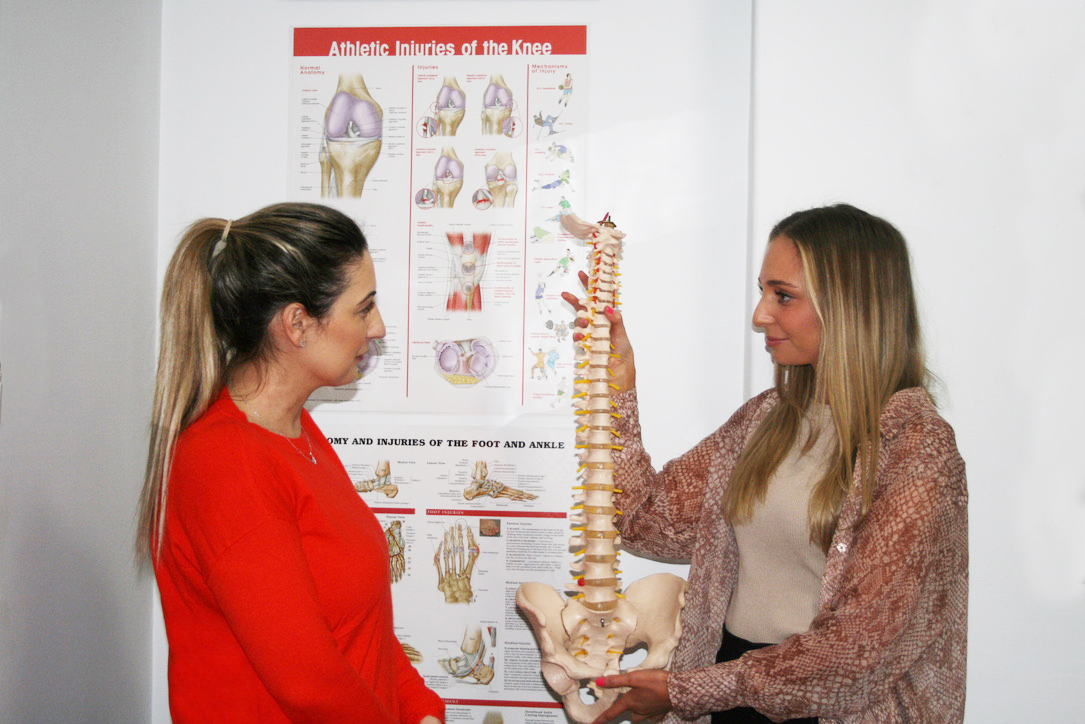
Sciatica is a term used for pain that travels from the lower back or buttock down the back of the leg, along the path of the sciatic nerve. It can feel sharp, burning or electric, and it often comes with tingling, pins and needles or numbness in the leg or foot.
It is one of the most common reasons people visit our Richmond and Bundoora clinics, and while it can be very uncomfortable, many cases settle well with the right care and a gradual return to movement.
What causes sciatica?
Sciatica is a symptom rather than a diagnosis. Something is irritating the nerve roots in the lower back or the nerve itself as it passes through the buttock. Common contributors include:
- A disc bulge in the lower back pressing on a nerve root
- Stiff or irritated joints in the lower spine
- Tight muscles in the buttock, such as the piriformis
- Narrowing of the spaces where nerves exit the spine, more common as we age
- Long periods of sitting, heavy lifting or a sudden increase in activity
Signs it may be sciatica
- Pain that runs below the knee, rather than staying in the back
- Pain usually on one side only
- Tingling, numbness or a heavy feeling in the leg or foot
- Symptoms that worsen with sitting, coughing or bending forward
When to seek urgent care
Most sciatica is not dangerous, but some symptoms need medical attention straight away. Go to an emergency department or see your GP urgently if you notice loss of bladder or bowel control, numbness around the groin or inner thighs, progressive weakness in the leg, or pain after a significant fall or accident.
What you can do at home
- Keep moving gently. Short, regular walks usually help more than bed rest
- Change position often and avoid sitting for long stretches
- Try heat on the lower back and buttock for 10 to 15 minutes
- Avoid heavy lifting and twisting while symptoms are flared
- Sleep on your side with a pillow between your knees, or on your back with a pillow under your knees
How a chiropractor can help
A chiropractor will start with a thorough assessment to work out where the irritation is coming from, including checking your movement, reflexes, strength and sensation. If something needs further investigation, you will be referred appropriately.
Treatment is tailored to you and may include gentle spinal adjustments or mobilisation, soft tissue work, and specific exercises to calm the nerve and rebuild strength. Remedial massage can also help release tight muscles through the lower back and buttock that contribute to symptoms.
If leg pain has been lingering or keeps coming back, book an assessment at our Richmond or Bundoora clinic, or call us to talk it through first.